Famous Temples in Mumbai
Mumbai is a city that never really stops, but it’s also a city that knows exactly when to bow. In a place built on reclaimed land and high-speed dreams, the temples act as the city’s psychological anchors. They are pretty much the only spots where you’ll see a billionaire and a daily wage earner standing in the exact same queue, both of them breathing in that salt heavy Mumbai breeze and sharing the same hope for a better tomorrow. It’s a powerful reminder that while the city is always chasing the future, its spirit is held together by these shared moments of stillness, much like the everyday journeys people take through services like bike rental in Mumbai that keep the city moving at its own pace.
Siddhivinayak Temple
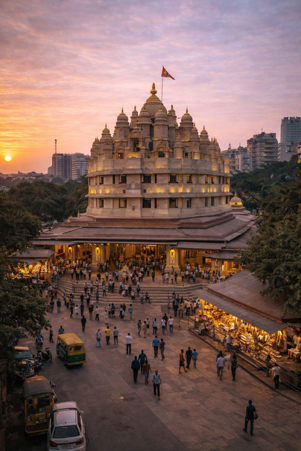
Located in Prabhadevi, the Shree Siddhivinayak Ganpati Mandir isn’t just a temple; it’s basically the spiritual headquarters of Mumbai. If the city is a machine that never stops, Siddhivinayak is the power source keeping it running. It’s dedicated to Lord Ganesha as the “Giver of Success,” which is why in a city built on the hustle of “making it,” everyone from Bollywood stars to office commuters comes here to sign their spiritual contracts before starting anything new. A visit here is the perfect snapshot of Mumbai’s character: a wild blend of high-speed efficiency in the queues and a deep, unshakeable patience once you’re standing before the deity.
Mahalakshmi Temple
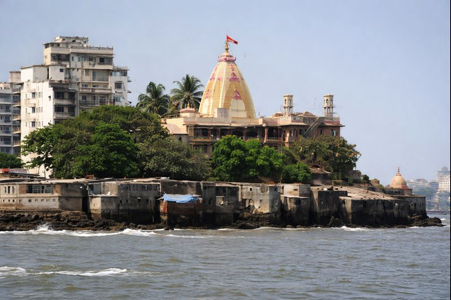
The Shri Mahalakshmi Devi Temple is where Mumbai’s high-speed hustle finally meets the steady rhythm of the ocean. Sitting right on the edge of the Arabian Sea since the 1700s, it’s dedicated to the goddesses of wealth, knowledge, and power, the three things this city chases the most. Its real “luxury” isn’t marble or gold the statical location is. You get this grounding mix of temple chants and crashing waves that you just can’t find in the city’s concrete center.
The experience actually starts on the walk-up, passing through a sensory overload of stalls packed with fresh lotus flowers and bright marigolds. Whether you’re a commuter grabbing a quick blessing before hitting the office or you’re there during the high-voltage energy of Navratri, the vibe is the same: it’s a moment of clarity. It’s that salt-air calm that reminds you that even in a city this fast, there’s always a place to stop and breathe.
Babulnath Temple
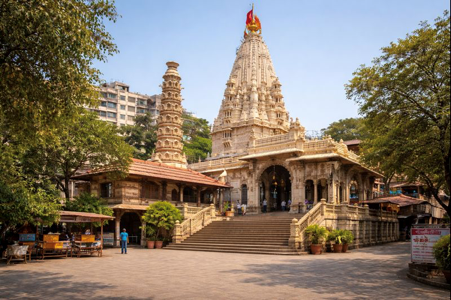
Perched at the end of Marine Drive, Babulnath Temple acts as a literal and metaphorical escape from Mumbai’s sea-level hustle. This 12th-century shrine dedicated to Lord Shiva was beautifully restored in the late 1800s, and it remains one of the city’s most atmospheric spots. The experience is all about the “climb” as you move up the stone steps, the roar of South Mumbai traffic starts to fade, replaced by a cool breeze and the scent of incense. It’s one of those rare places where you can look out over the modern skyline and the Arabian Sea while feeling completely tucked away in a much older, quieter version of the city.
Iskcon Temple
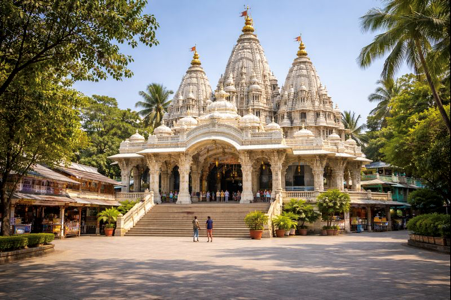
Just a stone’s throw from the sunset crowds and celebrity mansions of Juhu Beach, ISKCON Juhu serves as a much needed “cultural lung” for North Mumbai. Opened in 1978, this sprawling marble sanctuary was built to be a “hospital for the soul,” and it lives up to the name. Unlike temples that stick to silent austerity, this place is vibrant and loud. It’s a living community where music, philosophy, and some of the city’s best vegetarian food blend into one massive, inclusive vibe.
Whether you’re a traveler looking for a break or a student needing a breather, the energy of the Bhakti (devotion) here is genuinely contagious. It’s less about being a spectator and more about jumping into the experience. It’s the perfect spot to ditch the “city noise” and reset after a long day in Mumbai.
Walkeshwar Temple
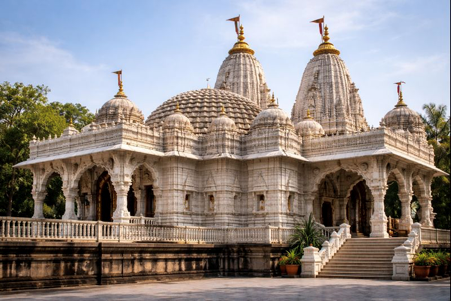
Tucked away among the high rises of Malabar Hill, Shri Walkeshwar Temple is a total time capsule. Built back in the 12th century, it’s tied to a great legend: they say Lord Rama stopped here and made a Lingam out of sand Valuka Ishwar which is how the temple got its name.
Right next door is the Banganga Tank, a spring fed reservoir that feels like a quiet, sacred village hidden in plain sight. Legend has it Rama shot an arrow into the ground to bring the Ganges here, and even today, the vibe is completely untouched by Mumbai’s frantic pace. Standing there with the sound of temple bells echoing over the still water, it’s the ultimate spot for meditation.
Mumbadevi Temple
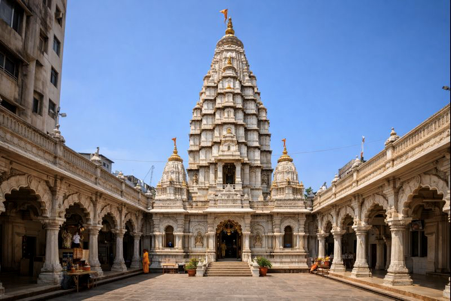
Right in the middle of the frantic Bhuleshwar market, the Shree Mumbadevi Mandir is the literal anchor of the city’s identity after all, “Mumbai” takes its name from Mumba (the Goddess) and Aai (Mother). For over six centuries, she has been the protector and “Gramadevata” for the city’s original Koli fishermen. Getting there is an experience in itself , you have to navigate the dense, high stakes lanes of Zaveri Bazaar, where diamonds and gold are traded, before suddenly stepping into the ancient silence of the temple. It’s the ultimate Mumbai transition moving from the world of extreme commerce to a space of deep, ancestral roots. It’s a reminder that beneath the modern sky, the city’s heart was and will always belongs to the Mother Goddess.
Jogeshwari Caves
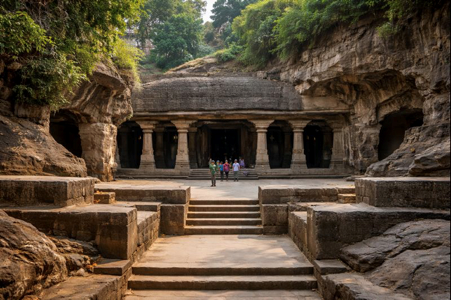
Deep in the heart of the Western Suburbs, the Jogeshwari Caves show a raw, unpolished, and incredibly powerful side of Mumbai’s spirit. These 6th century rock cut shrines are basically a hidden underworld dedicated to Lord Shiva and the goddess Jogeshwari. In a city that’s constantly building upwards with glass and steel, these caves pull you downwards into the earth. It’s a place of heavy shadows and ancient basalt that feels primordial like the spiritual energy has been soaking into the stone for over a thousand years.
The transition is wild; the modern sprawl of Jogeshwari’s tenements presses right up against the entrance, but the second you descend the steps, the world flips. It’s a total sensory shift where the chaos of the suburbs is replaced by a heavy, quiet intensity. It’s not “pretty” in a traditional way, but it is deeply authentic, a reminder that Mumbai’s history isn’t just on the surface; it’s literally carved into the ground.
Swaminarayan Mandir
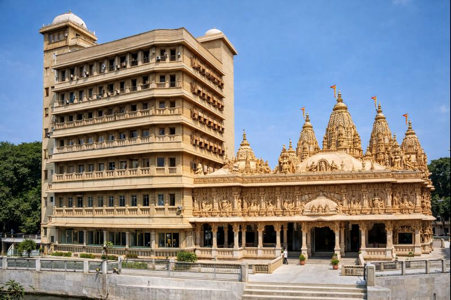
Right in the heart of Dadar’s non-stop chaos, the BAPS Shri Swaminarayan Mandir is like a massive, beautiful “mute button” for the city. It’s an island of structured calm that feels miles away from the frantic energy of the nearby railway station. Built from pink sandstone and white marble, the place is famous for its hundreds of hand carved pillars, basically a masterclass in ancient stone art tucked into a modern neighbourhood.
Inside, the vibe is all about order. Everything is mirror polished, the chanting is soft, and the aartis run like clockwork. It’s not about loud, raw energy. It’s about a culture of discipline and a level of cleanliness that’s honestly refreshing. For most people, it’s a mental reset, a cool & quiet sanctuary where you can escape the noise and actually hear yourself think. It’s the perfect reminder that Mumbai knows how to be both high speed and deeply still at the exact same time.
Gorai Mandir
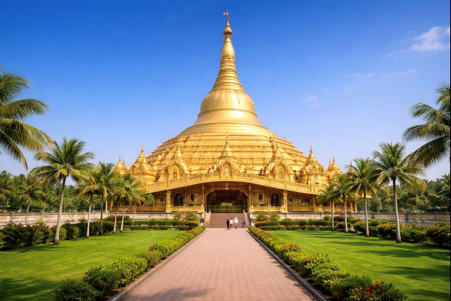
The Gorai Mandir is one of those hidden spots that feels way more like a weekend coastal retreat than a city shrine. Tucked into the quiet village of Gorai, it’s a massive anchor for the local East Indian and Koli families, keeping alive a “village vibe” that’s almost impossible to find in the rest of the metropolis. Out here, the roar of Mumbai traffic just disappears, replaced by a salty sea breeze and the sound of palm trees rustling in the wind.
Since it’s perched right on the edge of the creek, the whole place feels open, fresh, and totally unconfined. There’s no flashy gold or over the top architecture; it’s just a modest, neighbourhood space that values peace over grand ornamentation. It’s the perfect spot to find the slow-paced, authentic soul of Mumbai’s coastal roots, a place where the tides, not the traffic, not the traffic, are simply peaceful days .
Mahavir Jain Temple
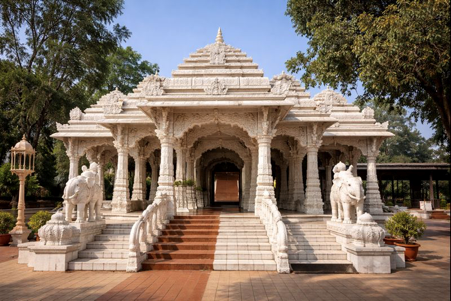
In the middle of Mumbai’s non-stop commercial rush, the Shree Mahavir Jain Temple is a total reality check. In a city that’s always chasing “more,” this place is a masterclass in “less is more.” It’s an island of absolute order where the volume is turned way down. There’s no loud music or chanting, just a heavy, cleansing silence that actually makes you look inward.
The architecture stays out of the way, too, using clean white marble and simple lines to keep the focus on a sense of calm. You’ll notice the discipline right at the door; they have strict rules about leaving leather goods outside to respect the core value of non-violence. It’s a “spiritual reset” in the truest sense. One minute you’re in the chaos of the surrounding markets, and the next, you’re in a space of total precision and quiet. It feels less like a typical temple visit and more like a much-needed mental detox.
Prabhadevi Hanuman Temple
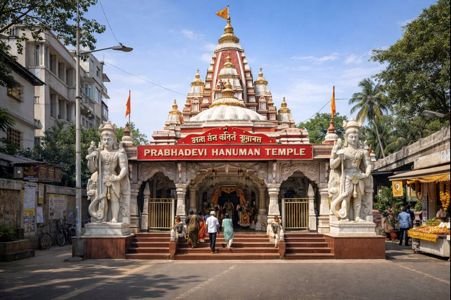
Right in the thick of the Prabhadevi rush, the Prabhadevi Hanuman Temple is a great look at how faith actually works in the middle of the Mumbai grind. It isn’t a massive tourist landmark; it’s more like a “spiritual pit stop” for locals and commuters. Dedicated to Hanuman, the ultimate symbol of strength, it’s where people go to grab a quick moment of resilience before diving back into the city’s chaos.
The vibe here is totally unpretentious and “no-nonsense,” which feels very Mumbai. Devotion isn’t about some big, elaborate spectacle; it’s just a steady, quiet presence. While it’s a peaceful spot to reset your brain during the work week, the energy really kicks up on Saturdays when crowds show up to pray for protection and a bit of help getting past life’s obstacles. It’s a personal, rhythmic little space that reminds you that in a city this tough, you find your strength in those small, daily moments of reflection.
Balaji Temple
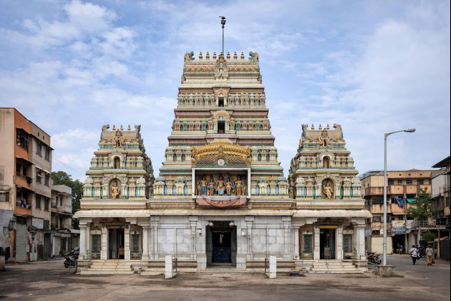
Up on a hill in Nerul, the Shri Venkateswara Swamy Temple is basically a slice of South India that’s been dropped right into the middle of the Mumbai region. It’s a dead ringer for the famous Tirupati temple, serving as a huge spiritual bridge for anyone who wants that authentic “Balaji” experience without actually traveling to Andhra Pradesh.
Everything here is done with a lot of heart and discipline from the massive, detailed entrance tower (Rajagopuram) to the taste of that iconic Laddu Prasad. Because it’s perched so high up, you get a breezy, panoramic break from the city’s heat, with some of the best views of the Navi Mumbai skyline. There are also smaller, beautiful shrines for the Ashta Lakshmi (the eight forms of wealth) spread around the complex. It’s one of those rare spots where the ancient feel of Tirumala meets the modern horizon, making it a perfect, quiet getaway for anyone looking to clear their head and reconnect with tradition.


0 Comments